| 4 June 2026
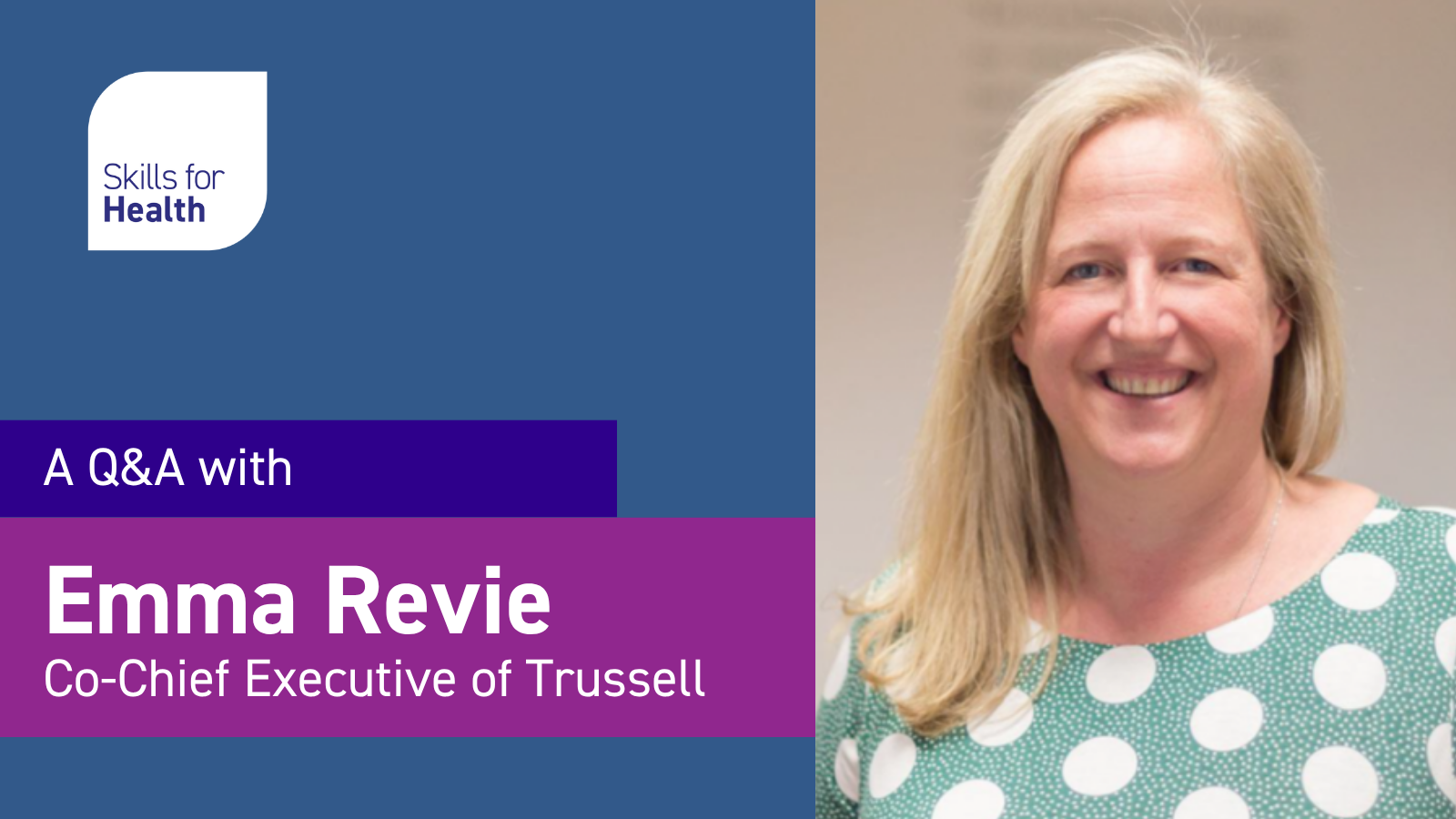
1. Emma, you’ll be joining us at this year’s Our Health Heroes Awards as our keynote speaker. As Co-Chief Executive of The Trussell Trust, why do you feel it is important to recognise the individuals and teams that are the backbone of the health sector?
At Trussell, I regularly hear from people about the one encounter at a food bank that made a difficult situation feel a little more manageable: someone who listened, showed kindness or helped restore a sense of hope. The same is true across our health service. Every day, countless acts of compassion, reassurance and care have a lasting impact on people’s lives. Our Health Heroes Awards gives us the opportunity to recognise and celebrate the incredible individuals and teams behind those moments and to thank them for the difference they make.
2. Trussell is best known for supporting families and individuals with essential food and household items when they need it most. The charity also works extensively in mental health support. Tell us a bit more about it.
Hunger in the UK isn’t really about food; it’s about people not having enough money for the essentials. Many people we support are experiencing poor mental health, debt, isolation, trauma or housing insecurity. In fact, more than half report a mental health condition. That’s why our food banks go beyond providing emergency food, connecting people to advice, community support and, in many places, co-locating support within food bank centres. We know that when people are met with dignity, compassion and practical support, in places they trust, it can make a real difference to their health and wellbeing.
3. How would you describe the link between financial hardship and mental and physical health?
The link is incredibly strong. Nearly seven in ten people referred to food banks are disabled or living with a long-term health condition, and more than half report experiencing mental ill health. Poor health can make it harder to work, manage finances or navigate support systems. It can also bring significant additional costs. At the same time, the stress of not knowing how you will pay the bills, heat your home or feed your family can worsen both physical and mental health. Too often people become trapped in a cycle where poor health and financial hardship reinforce one another.
4. When health and care staff encounter someone who may be struggling in this regard, what makes the biggest difference in how the interaction is handled?
The biggest difference is often how people are made to feel. Financial hardship can carry a huge amount of shame and embarrassment. Being listened to without judgement, treated with respect and helped to access practical support can be transformative. Small actions matter enormously. A compassionate conversation, a warm referral or taking a little extra time to understand someone’s circumstances can help someone feel seen, valued and supported at a moment when they may feel very alone and overwhelmed.
5. Dignity is central to Trussell’s work. What does dignity look like in practice when organisations are supporting people through crisis, particularly around mental health?
We often talk at Trussell about the power of a cup of tea. When someone arrives at a food bank, they are invited to sit and have a cuppa with one of our team. It is one of the simplest things we do, but it communicates something profound: you are welcome, you are valued, you are not alone, and you will not be judged. For me, dignity is about recognising the inherent worth of every person, regardless of their circumstances. When people are experiencing poor mental health, these small moments of human connection can make all the difference.
6. Collaboration between community organisations like Trussell and health and care services is crucial to tackling the antecedents of poor health. How can third sector partnerships really help people to feel supported?
No single organisation can address the complex challenges people on the lowest incomes face. Community organisations often have deep roots and trusted relationships with people who may be reluctant to engage with public services. When health services, local authorities and community organisations work together, people are less likely to fall through the gaps and more likely to access support earlier. The best partnerships create a seamless experience where people can access practical help, advice, emotional support and healthcare in a joined-up way, in places they trust. This helps people feel supported as people, not as a collection of problems.
7. Finally, what’s your message for all of our amazing finalists?
You are all heroes! The work you do changes lives, often in ways you may never fully see. Every act of kindness, professionalism, care and commitment contributes to the health and wellbeing of individuals, families and communities. At a time when services are under such immense pressure, your dedication and compassion continue to make an extraordinary difference. Thank you so much. You represent the very best of us, and every finalist should feel incredibly proud of the contribution they make each and every day.
Info on Trussell for Programme
If you want to find out more about Trussell and how to play your part in ending hunger, please visit Trussell’s website: https://www.trussell.org.uk/support-us